
Cities are stories made permanent
Thirty years feels like a long time.
Then again, in the life of a city, it really isn't at all.
Streets outlive fashions. Buildings outlive governments. Decisions made decades ago continue to shape how we live today. 80% of the buildings that will exist in 2050 have already been built. The built environment operates on a timescale that's difficult to comprehend because its impact extends far beyond the people who design it.
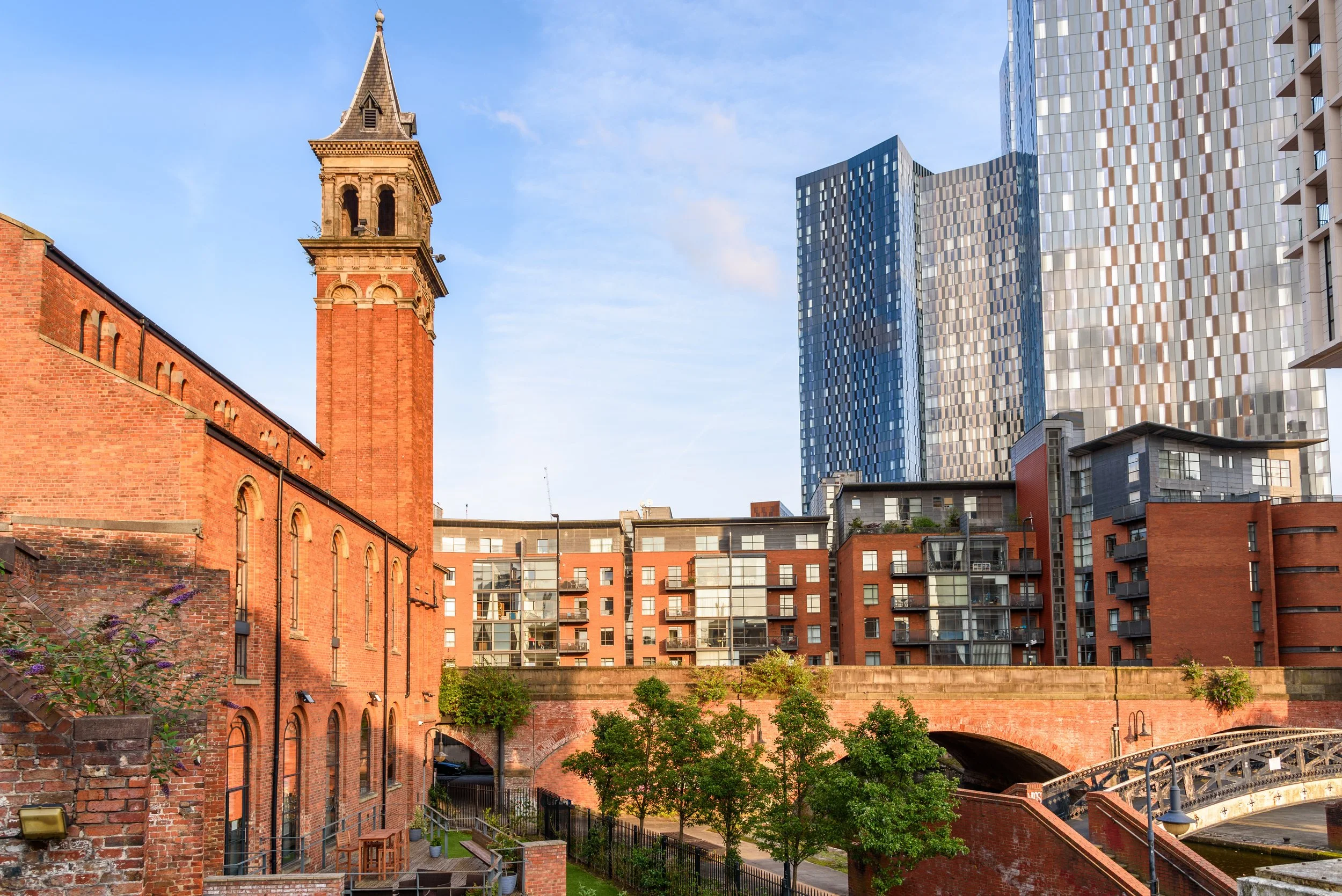
Thirty years ago this month, an IRA bomb exploded in Manchester city centre. More than 200 people were injured and the physical damage was extensive.
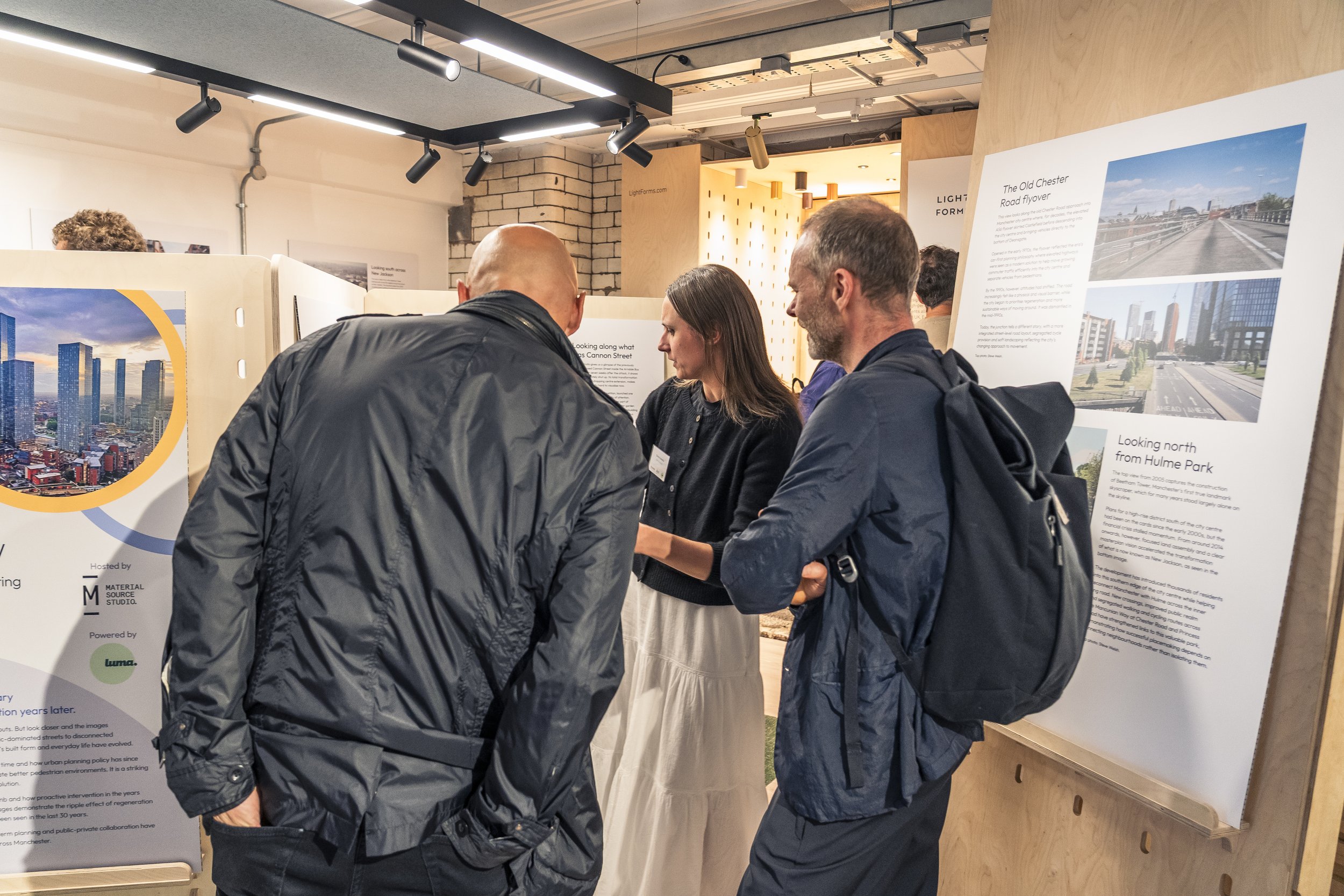
It's a moment that's been brought into sharp focus recently through Manchester Then and Now, an exhibition commission by Euan Kellie Property Solutions' exhibition and developed by our team at Luma. Pairing archive photography with contemporary views of the city, it highlights just how dramatically Manchester has changed over the past three decades.
And yet, despite the devastation, the story most often told about that day is one of rebirth. A city destroyed and rebuilt.
It's a compelling narrative, but it’s not entirely true.
Manchester's regeneration didn't start with the bomb, important though it was in Manchester’s story.
It was the inciting incident.
The moment the plot changed
Every story worth telling has an inciting incident.
It's the moment in a film when the ordinary world is disrupted and the direction of the story changes. The thing that forces characters to act differently than they otherwise would have.
Think Luke Skywalker discovering Princess Leia’s hidden message in R2-D2, or a shark attacking the shore of Amity Island. Neither event creates the world around it, but both fundamentally change what happens next.
Manchester had big ambitions long before 1996.
The city had already begun reinventing itself following deindustrialisation. Exciting regeneration was underway in places like Hulme. Civic leaders had spent years repositioning Manchester on the world stage through the Olympic and Commonwealth bids. This ambition in the 1980s and early 1990s demonstrated a city already thinking bigger about its future.
So no, the bomb didn't create that ambition. But it did transform it from a long-term goal into an urgent civic project. It focused public attention, galvanised people and created a sense of shared purpose that would have been difficult to generate through the normal processes of planning and development alone.
Conversations that had previously been confined to planning departments, civic offices and boardrooms became public. Now the future of Manchester was a question everyone had a stake in answering.
How do we rebuild?
What should the city become?
Who should it be for?
The response was remarkable, both in its collective nature and its speed. An international design competition followed one month after the explosion. Plans moved quickly. The first planning approvals were secured only 14 months later. Construction began. A renewed city centre emerged.
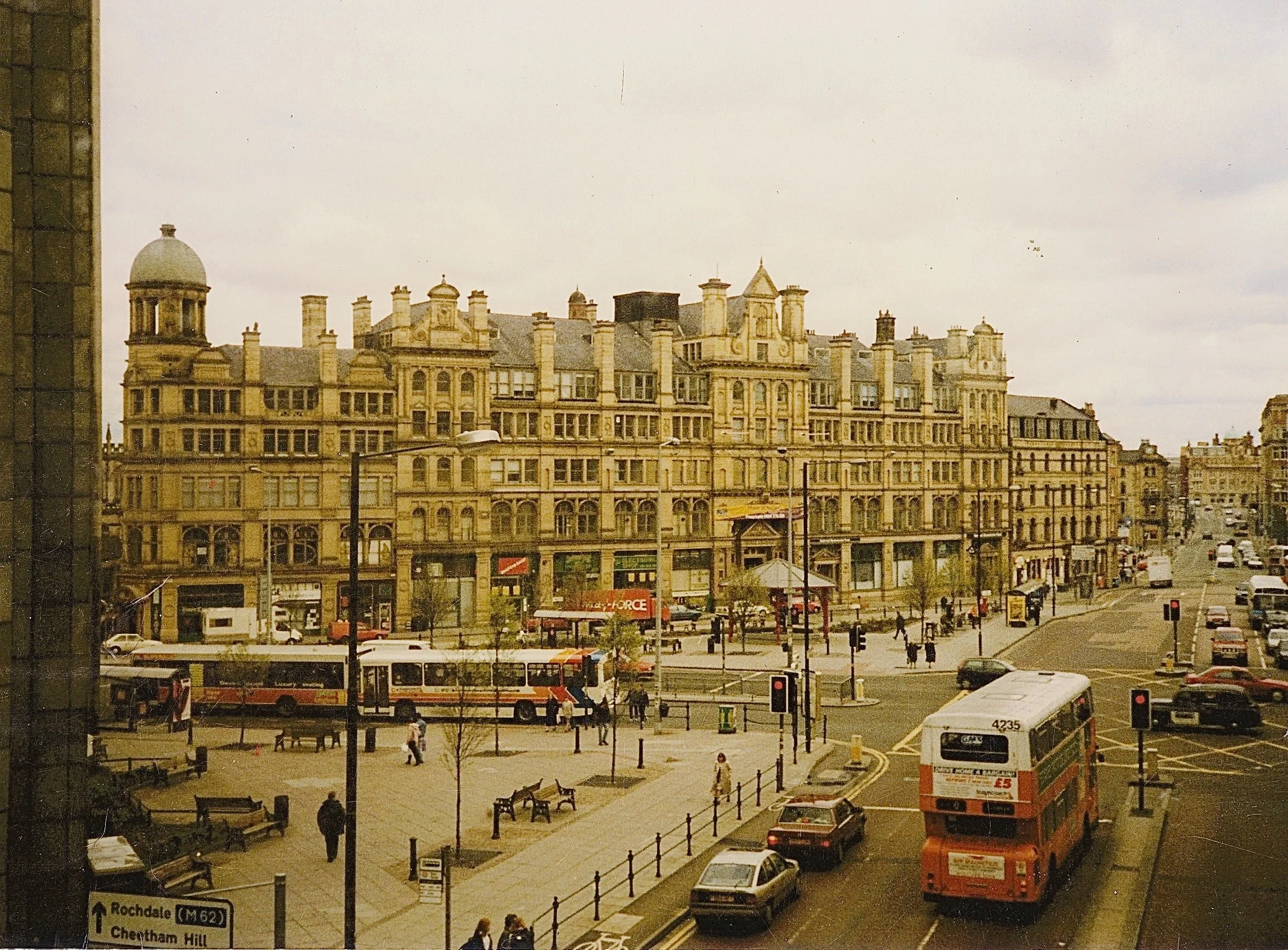
Credit: Ray Bunting
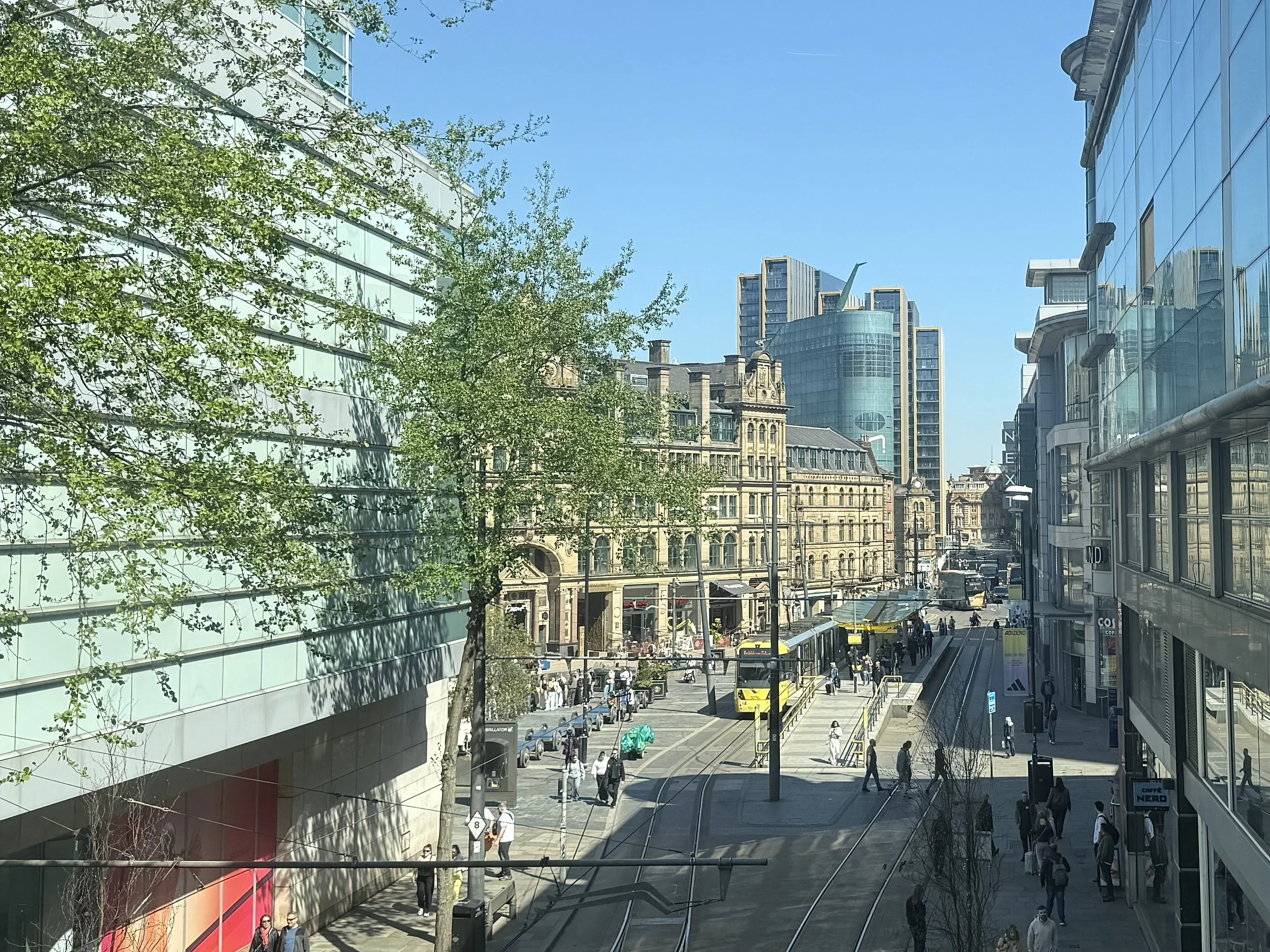
Credit: Euan Kellie
Could some of that have happened anyway?
Probably.
Would it have happened in the same way, at the same pace, or with the same level of public attention?
Probably not.
The bomb did something that the development industry often struggles to achieve on its own. It created urgency, aligning political will, public attention and civic ambition around a shared sense that the status quo was no longer acceptable.
Cities change through moments
The built environment likes to think in terms of policy, strategies and masterplans. But history suggests cities change through moments.
The Industrial Revolution reshaped Manchester's mills, canals and workers' housing. Advances in steel and glass changed what buildings could physically become. The rise of the motor car transformed suburbs and road networks. More recently, the digital revolution and the pandemic have altered how we work, shop and interact with cities.
These moments in society have an indelible impact on the built environment.
Walk through Manchester and you can read its story in stone, brick and steel.
Manchester is full of examples. Ancoats' mills and warehouses, once at the heart of the Industrial Revolution, now house homes, workplaces and restaurants. Castlefield's canals and railway infrastructure have evolved from engines of industry into a historic urban landscape shaped by culture, leisure and city living. The city is constantly finding new uses for old stories.
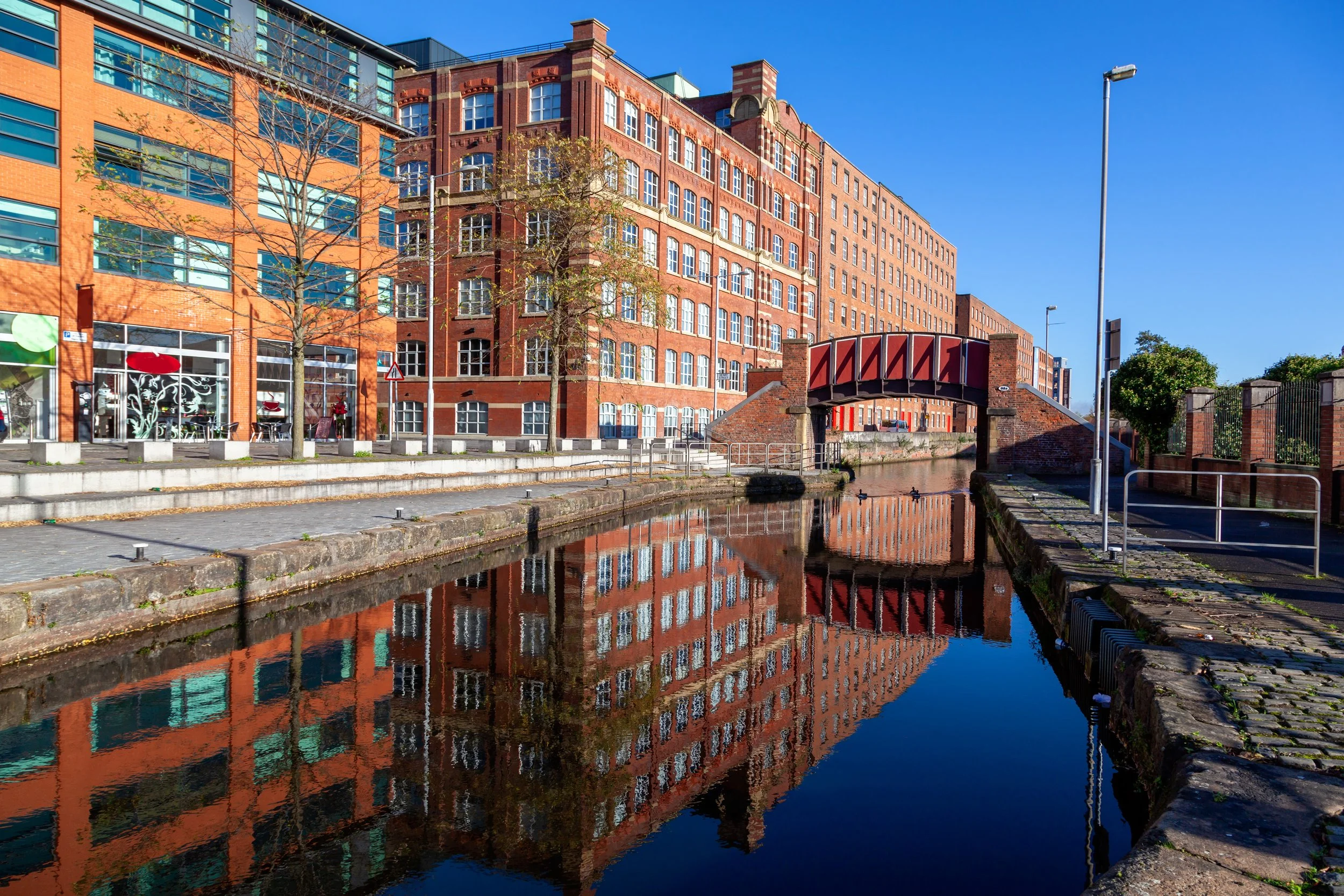
The old and the new in Ancoats, Manchester’s industrial heartland.
Places also evolve when communities reinterpret them and new generations assign fresh meanings to old spaces. Manchester’s music heritage is heavily influenced by the Hacienda - far more than a nightclub, but a cultural catalyst. It redefined urban culture, attracted new people to the city and which still influences the city we build today, from independent venues to major investments like Factory International.
Cities are constantly rewriting themselves, yet without fully erasing what came before. They become witnesses to the past, telling stories to anyone who slows down for long enough to listen.
What story are we writing now?
Thirty years on from 1996, Manchester faces a different set of challenges around housing affordability, net zero, inclusive growth, the digital revolution and more.
Future generations may look back on the 2020s and identify one of these as a defining moment that reshaped the city once again.
Perhaps it will be something none of us can yet predict. If there’s one thing history teaches us, it’s that the twists and turns of life keep coming.
What's certain is that today's decisions will long outlive today's debates.
The built environment is unusual because its consequences endure. The buildings we approve, the streets we redesign and the places we create will still be shaping lives decades from now.
That's one of the reasons the Manchester Then and Now exhibition that we’ve put together with Euan Kellie Property Solutions resonates so strongly. The photographs reveal just how dramatically the city has changed over the past three decades and how it has shaped lives.
Manchester's regeneration story didn't begin with the bomb.
But the bomb may have been the moment when the city's ambitions became a shared narrative.
Perhaps that's the lesson here. Transformative change requires a narrative that people understand, believe in and want to participate in.
Too often, the built environment sector focuses on the mechanics of change rather than the meaning behind it. Policies, strategies and masterplans are important, but they rarely capture the imagination on their own. People need a story that helps them understand where they're heading and why it matters.
Yes, cities are stories made permanent.
The question is: what story are we writing next?