
Why you need a personal branding campaign
B2B has always been a people business and nowhere is that more true than in the built environment.
You’re not hiring an architect because they’re the first result on Google, or choosing a contractor for a multimillion-pound project because they’ve got an offer on. In our world, where business transactions often measure in the six figures and more, people buy from people and relationships reign supreme as one of the biggest differentiators between you and your competition.
Ultimately, people want to know they can trust the people they’re doing business with.
That’s why personal branding for business leaders and executive-level staff is becoming more and more important and one of the reasons why we’ve just launched our personal branding support package.
A personal branding strategy is about making sure the expertise, experience and personalities behind your business are visible to the people you want to work with. Done consistently, it can help build familiarity long before an opportunity lands, strengthen existing relationships and give people another reason to choose your business when the time comes.
The research increasingly shows that buyers are paying attention to people as much as brands. LinkedIn research found that 82% of B2B buyers say creator content influences their decisions, while 87% prefer credible content from trusted industry influencers over branded sales messages.
So, how can personal branding help you?
Let’s explore.
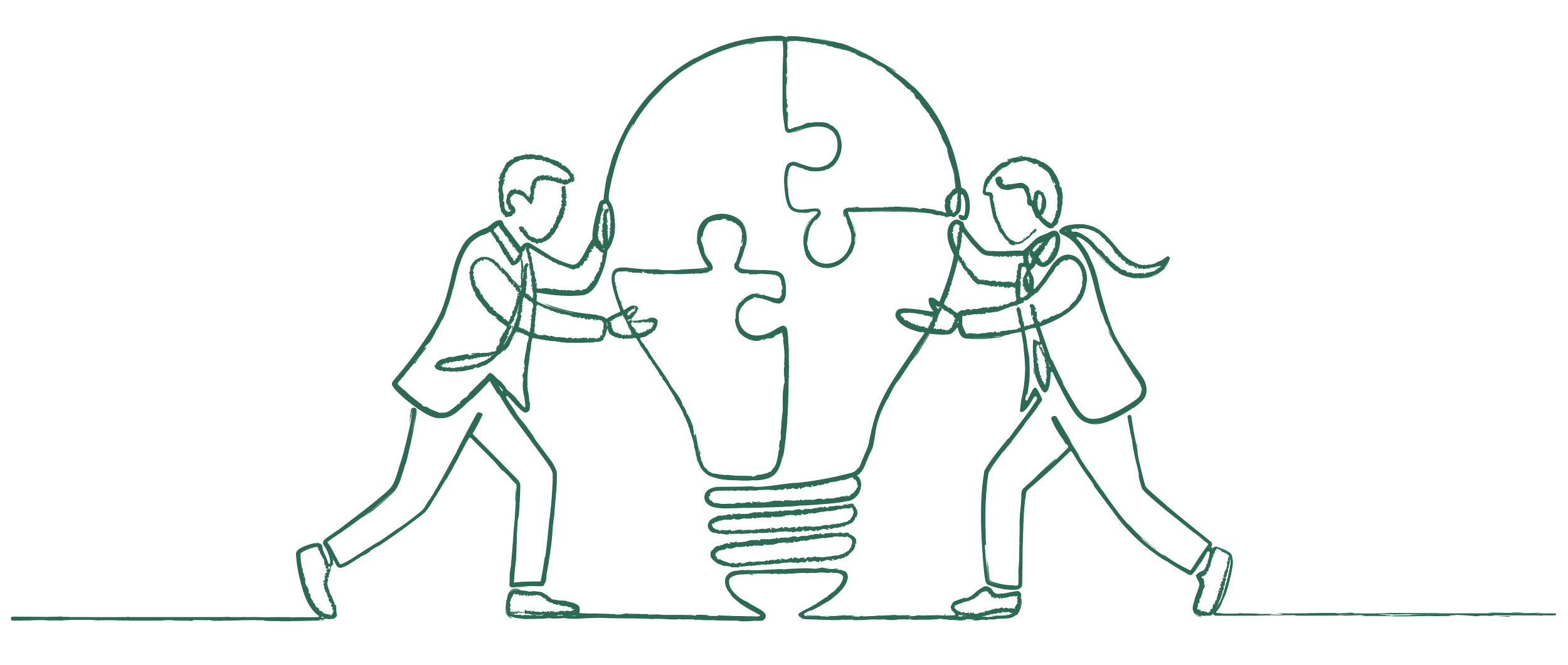
Be known before you need to be known
The best B2B relationships rarely begin with a sales conversation. Isn’t that a bad idea if the whole point is commercial?
You’d have a point if you were selling something in the B2C space. But in the built environment, you have to nurture relationships, demonstrate expertise and build trust. Going in hard with a sales spiel straight off the bat is not going to achieve any of that.
When building a relationship through personal branding and thought leadership activities, the process might look a bit like this:
Someone sees your post on LinkedIn.
They hear you speak at an industry event.
A colleague forwards them an article you’ve written.
Six months later, you meet at a conference.
A year after that, an opportunity comes up.
None of those individual interactions necessarily result in work. Together, however, they create familiarity you can leverage to deliver commercial results.
Turn expertise into authority
The built environment is packed with people who know an extraordinary amount about their specialist subjects. Some of them shout about it, some of them don’t.
The problem with keeping that knowledge to yourself is that it never travels much further than project meetings, client conversations and the occasional conference panel.
Having a strong thought leadership strategy gives that expertise somewhere to go, turning it into a commercial asset.
Blogs, articles, opinion pieces and longer-form commentary provide the space to explore the issues affecting your market and demonstrate how you think, not simply what you sell.
Research from Edelman and LinkedIn found that 73% of hidden decision-makers see thought leadership as one of the best ways to judge the calibre of thinking an organisation is likely to deliver.
Sharing individual expertise therefore does more than build the profile of one person. It can strengthen perceptions of the whole business.
Create more opportunities to connect
Personal branding opens doors beyond your own channels.
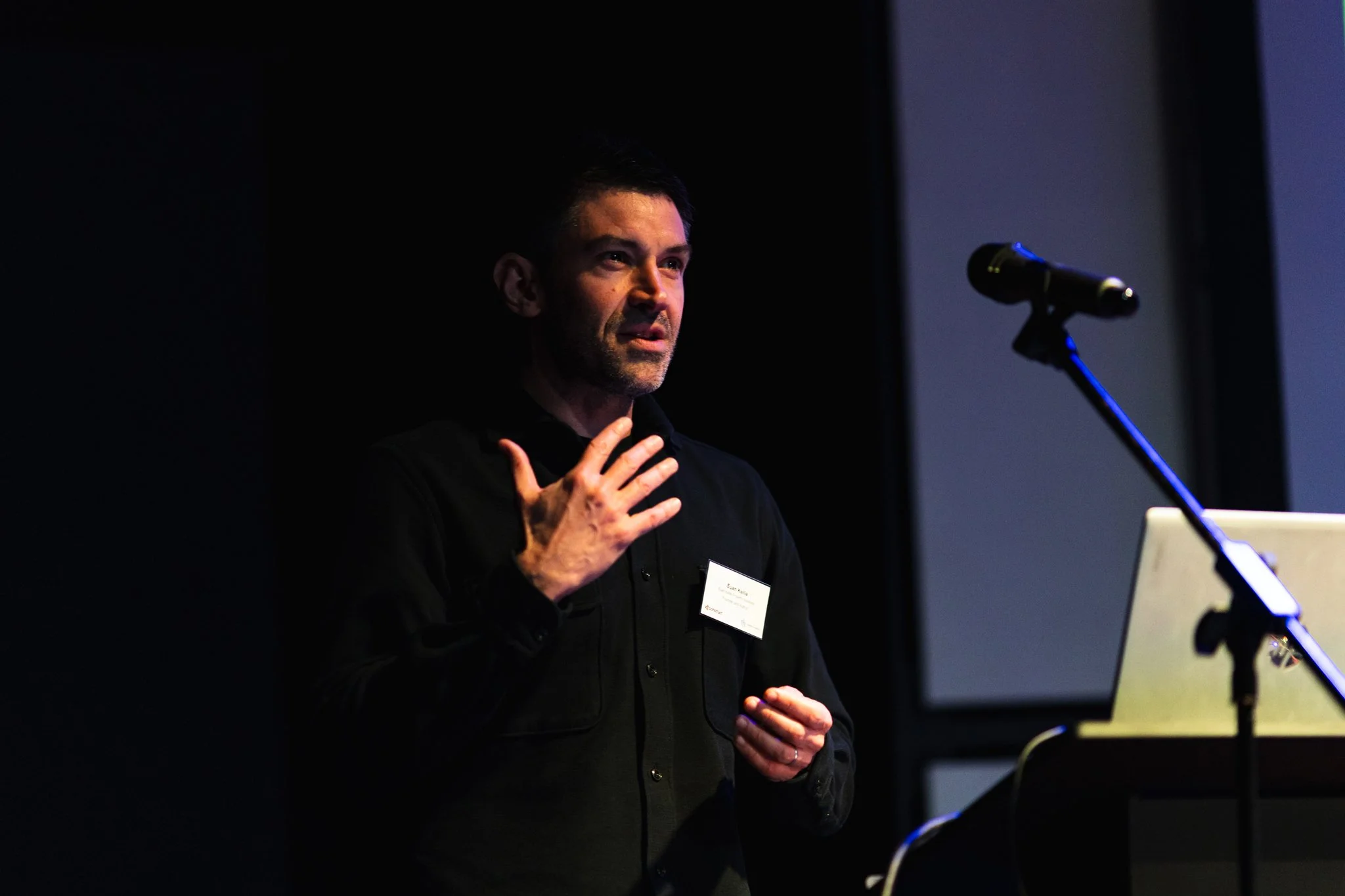
Speaking at conferences, joining panels, hosting roundtables and appearing on podcasts all put your people in front of new audiences while giving them an opportunity to demonstrate their expertise in person.
The snowball effect of this kind of visibility is powerful. More visibility leads to more speaking opportunities. Speaking builds authority. Authority creates more visibility, introductions and conversations. And so the cycle continues.
The same applies to PR. A guest article in a respected trade publication or an invitation to provide expert commentary brings something your own channels can’t provide alone, and that’s third-party credibility.
You’re no longer simply telling people you know your stuff. Someone else has decided your perspective is worth sharing.
Keep nurturing the relationships you already have
Don’t think of personal branding as a blueprint just for reaching new people either.
If you’re a B2B business, there’s already a valuable network of clients, former clients, prospects, collaborators and industry contacts around you. A tool like email, for example, gives you a direct way to keep those relationships warm.
A useful newsletter or regular piece of insight keeps you visible between projects and creates opportunities to reconnect without waiting until you have something to sell.
Businesses do this all the time, but it’s not something you see individuals doing all that often. A personalised email to a select list offering genuine insight and value is relationship rocket fuel.
Your other outputs, like LinkedIn posts and thought leadership articles, are equally effective at keeping your contacts warm, valued and informed.
How Luma can help
Like most things, you get out of personal branding what you put in.
We can’t lie, it’s not a quick and easy endeavour you can give 10 minutes a day to. It’s a long-term commitment that will only yield benefits when you dedicate time and effort to it.
You’re already busy running a business and there aren’t enough hours in the day. You didn’t go into business to be a marketer, right?
Well, we did get into business to be marketers and we completely hear you. Your time is valuable and it’s not reasonable to expect you to do it all on your own.
Our new personal branding service stream is designed to take the roadblocks out of your path towards being a thought leader and a greater commercial asset for your business. We’ll help you build a strategy, distil the right messages and spread them out across the various platforms at our disposal.
It’s a full-service offer, comprising everything from copy and socials to PR, events and email marketing.
Want to hear more? Shoot us a message. We’d love to chat.
Not ready to get started but want to learn more about what you can do to improve your personal brand? Sign up for our free five-part guide to discover the different tools you can use to get your expertise in front of the right people.